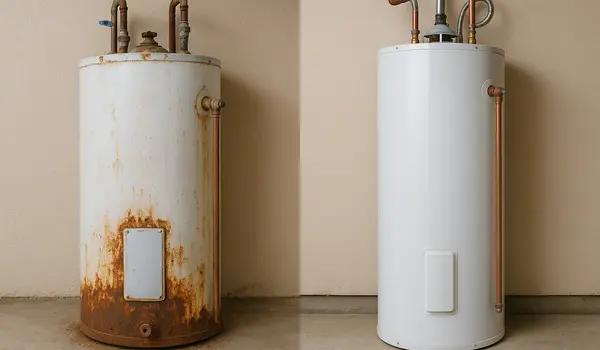
Backflow Preventer Testing is worth arranging if your tap water looks discoloured, has an unusual taste, or your water pressure suddenly drops at several fixtures. These changes can indicate that a backflow assembly, valve, or supply line is not protecting the drinking-water system as it should. Emergency Plumber Chicago can inspect the device and its shut-offs before a small issue becomes a contamination concern.
Act immediately if brown, cloudy, or foul-smelling water is coming from multiple taps, especially after nearby construction, a water-main interruption, or a pressure loss. Banging pipes, damp patches near a supply line, and low pressure can also point to a valve or pressure regulator problem that needs prompt assessment. A single slow drain or running toilet can usually wait for a planned appointment, unless sewage is backing up or water is leaking onto floors.
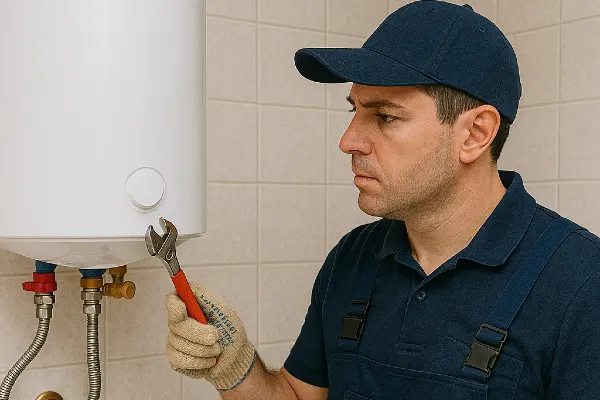
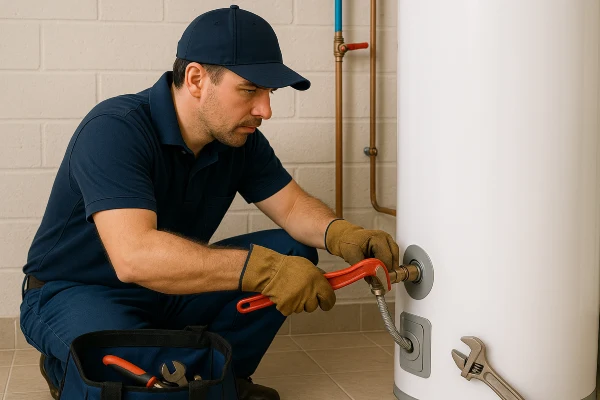
Find any prior test report, installation paperwork, or notice from your water provider, and write down the make, model, and location of the backflow device if you can see its tag. Note when discoloured water, low pressure, or banging pipes began, and whether every faucet is affected. In Cicero IL, it also helps to record recent basement flooding, sprinkler work, boiler repairs, or water-main notices that may have changed system pressure.
Clear a path of about 3 feet around the backflow assembly, shut-off valves, meter room, or utility closet so testing equipment can be connected safely. Keep pets away and make sure an adult who can approve access is available. Do not turn unfamiliar valves, remove caps from test ports, or pour drain cleaner into nearby traps; forced valves and corrosive chemicals can damage seals, complicate readings, and create a more involved repair.
After Backflow Preventer Testing, the water supply should return to its usual flow once the valves are reopened and the assembly is restored to service. A brief burst of air, light sputtering at a faucet, or slightly cloudy water for a few minutes can be normal after the supply is isolated. Run cold water at one tap until it clears, then check that the toilet fills normally and that no valve body or fitting is dripping. Learn more about our Stickney IL location.
Call back if low pressure continues beyond a few hours, water remains discoloured after flushing, or damp patches appear around the device, supply lines, or basement wall. Banging pipes, a running toilet, slow drains, or no hot water are not expected results of a completed test and may signal a separate pressure, fixture, or water-heater issue. In Stickney IL, periodic testing, accessible shut-offs, and keeping debris away from the assembly help maintain the protection between visits.
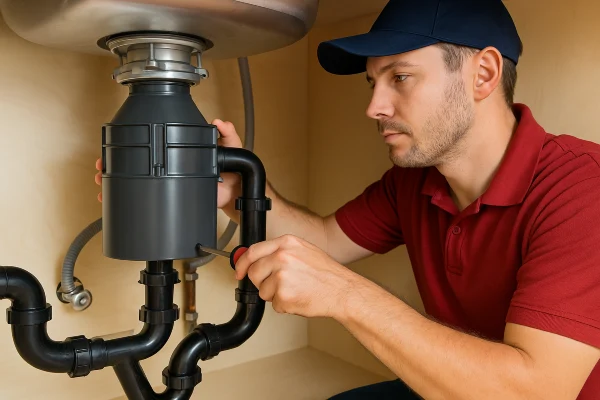
The visit starts with locating the backflow assembly, supply lines, shut-offs, and any pressure regulator serving the building or irrigation connection. The plumber checks the valve body for corrosion, leaks, missing caps, and damaged fittings, then isolates the supply as needed. A calibrated test gauge is connected to the device’s test ports to measure valve performance and confirm that water cannot reverse through the assembly under changing pressure.
If the readings show a fault, the next steps depend on the component involved. Worn check valves may need cleaning or replacement; a leaking joint may require soldering, while a fixture can be re-seated if its seal is causing a pressure issue. Camera inspection, cleanouts, hydro jetting, traps, tanks, anode rods, and thermostats are only considered when slow drains or no hot water indicate separate plumbing work. The system is then pressure tested before service is restored.
EMERGENCY PLUMBER CHICAGO
357 W Chicago Ave, Chicago, IL 60654
(872) 274-2549
info@emergencyplumberchicago.org
Hours of Operation
Open 24 Hours